
Typography
The Role of Typography in Modern Web Design
Typography is a critical aspect in web design since it helps in the creation of attractive and easy to navigate websites. It is not just about picking a font; typography entails identifying the right typefaces, sizes, and styles that reflect a brand’s character and improve legibility.
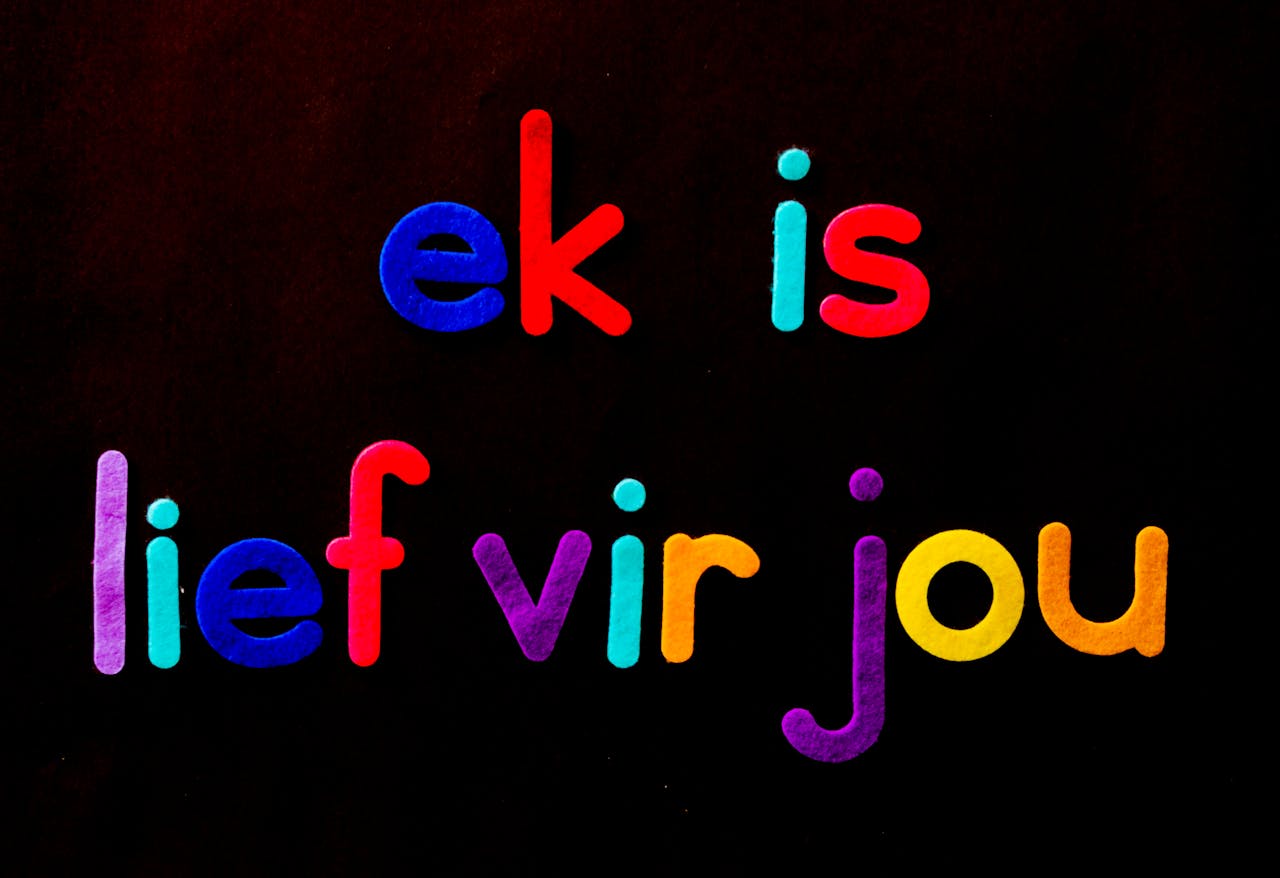
Typography is a critical aspect in web design since it helps in the creation of attractive and easy to navigate websites. It is not just about picking a font; typography entails identifying the right typefaces, sizes, and styles that reflect a brand’s character and improve legibility. Typography plays a crucial role in the world of today’s digital environment in which users are exposed to a vast amount of content. In this article, the author aims to explain why typography is crucial in the current web design.
Establishing Brand Identity
Typography is one of the key elements that can be used to set up and emphasize the brand identity. The selection of typefaces, their properties and application can create certain feelings and ideas in the minds of the consumers. For instance, a font that is clean and minimalistic may be used to portray a professional and stylish brand while a font that looks like it was hand written may be used to portray a brand that is more casual and friendly. Typography is the art and technique of arranging type to make written language legible, readable, and appealing when used in a website and other related brand touch points.
Improving Readability
Typography is one of the most important elements in the design of websites and one of the main purposes of typography is to enhance readability. Incorrect choice of font, size or line spacing can make the content hard to read and as a result, people will leave the site in no time. Proper typography makes it possible for the users to quickly read and understand the content displayed on a website. Aspects like font size, line height, and letter and word spacing all affect the legibility of a website. Thus, by focusing on the readability, you will be able to retain the users and make them want to read more of your content.
Creating Visual Hierarchy
Typography is very important in setting the order of information on a webpage. Thus, you can control the flow of the user’s gaze and direct it to the most critical information by employing various font sizes, weights, and styles. The headings, subheadings, and body text should be distinguishable to establish a clear structure of the document. This hierarchy enables users to easily understand the structure and content of a page and thus make it more user friendly and interesting.
Enhancing Aesthetics
However, typography can also be used to improve the look of a website besides the practical aspects. Proper selection of fonts, proper utilization of white space and other design elements can help in designing a good looking and consistent layout. Using different fonts, sizes and styles of fonts can help to make the website more interesting and individual. However, there is the need to balance between the aesthetic aspect and the legibility of the typography selected for the design.
Adapting to Different Devices

As more and more people are using their mobile devices to browse the web, the topic of responsive typography is an important aspect of contemporary web design. Some of the fonts and sizes that are perfect for the desktop may not be so perfect for the mobile screens. Typography should be clear and aesthetically pleasing regardless of the device or screen size that the designer is working with. This may include the use of different font sizes or even different typefaces for mobile version of a website.
Staying Current with Trends
Typography in web design is an ever-changing process and new trends and techniques are being developed every now and then. Knowing these trends can help in maintaining the freshness and the modern look of a website. But it is crucial to find the middle ground between the trends and the brand identity. Adding new typography elements should be done strategically and in harmony with the general branding and design strategy.
Conclusion
Typography is one of the most important components of the website design, which has not lost its significance in the age of the Internet. Through the appreciation of typography in setting the brand identity, enhancing the readability, establishing the visual hierarchy, beautification, and flexibility in the use of different devices and the current trends, typography can be used to design websites that are not only beautiful but also effective in capturing the attention of the users and making them comfortable navigating through the site. Before you start designing your website, do not underestimate the importance of typography as a means of engaging your audience.
Total 0 Shares Share 0 Tweet 0 Pin it 0 Share 0